Setting up a Voluntary Marine Conservation Area
(Supported by the MOL Charitable Trust - CFP 5)
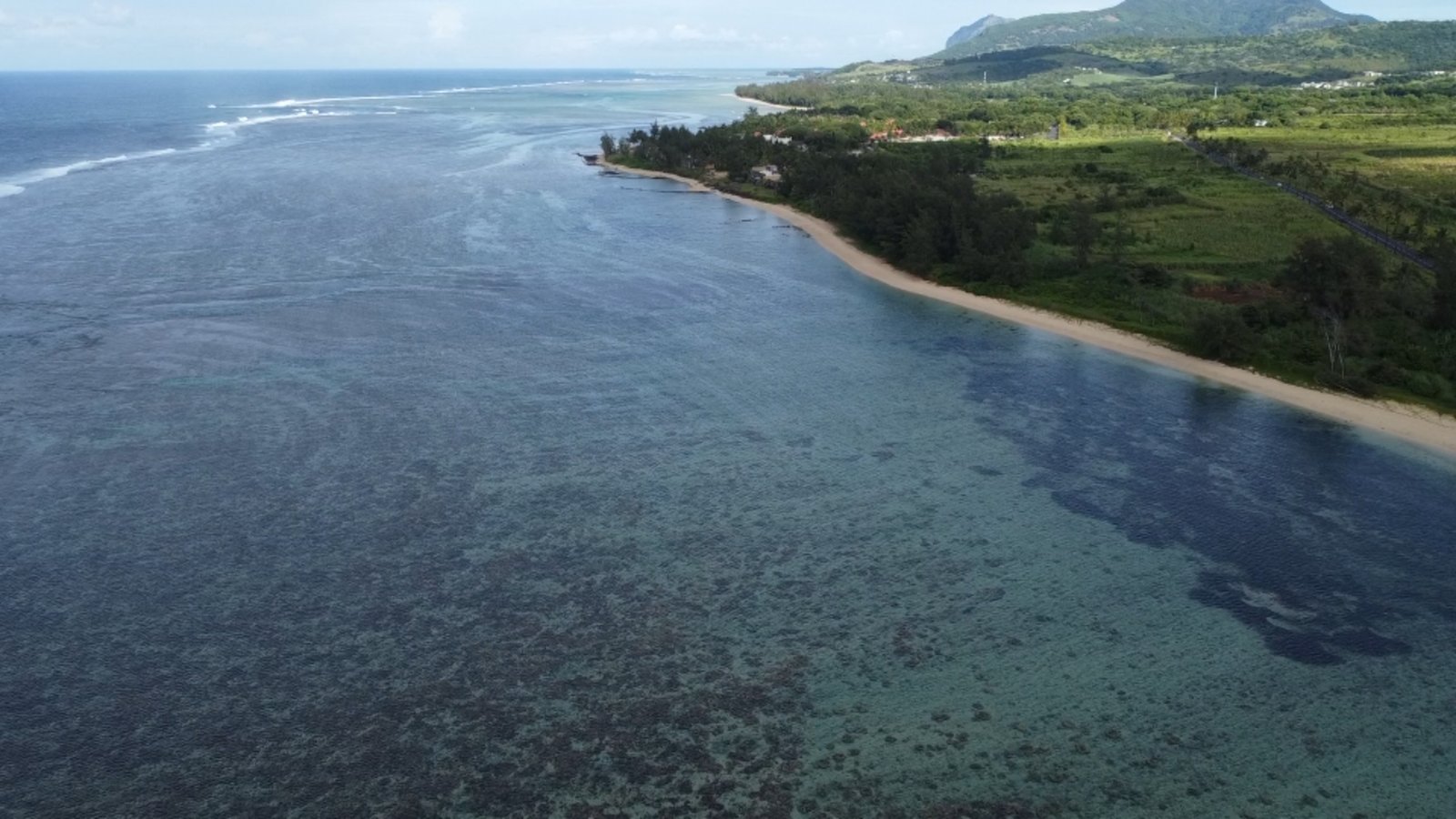
Set within the south-west of Mauritius, the VMCA Beau Champ Project is designed to protect a shallow fringing reef and lagoon system that supports a rich mosaic of coral patches, seagrass beds, and mixed benthic habitats. Supported by the MOL Charitable Trust (CFP 5), Coral Garden Conservation is working with local fishers of Riviere des Galets and Beau Champ, lagoon users, schools, and technical partners to establish a community-led Voluntary Marine Conservation Area (VMCA) focused on reef protection, biodiversity conservation, and climate resilience. At the heart of the initiative is a simple belief: lasting marine conservation is strongest when local people help shape it, understand it, and lead it.
Why Beau Champ Matters?
A shallow fringing reef of disproportionate ecological value
The Beau Champ lagoon is a shallow reef–lagoon platform where a clear ecological gradient unfolds from the beach to the outer reef margin. Integrated marine surveys conducted in early 2026 confirmed that the site supports a habitat mosaic dominated by mixed substrate and bare sand, but also including coral patches, coral patches with dense macroalgae, seagrass beds, beach rock, and a narrow reef crest zone. Although mixed and sedimentary habitats occupy the largest proportion of the mapped area, the ecological value of the site is strongly linked to its more structurally complex habitats — especially coral patches and seagrass areas — that together sustain biodiversity, fisheries productivity, and coastal resilience.
Habitat Mosaic - Eight benthic habitat classes mapped across the lagoon
Drone orthomosaic imaging, supervised classification, and over 500 ground-truthing points produced a benthic habitat map with classification accuracy exceeding 90%. The eight identified habitats together form a functionally connected lagoon environment.
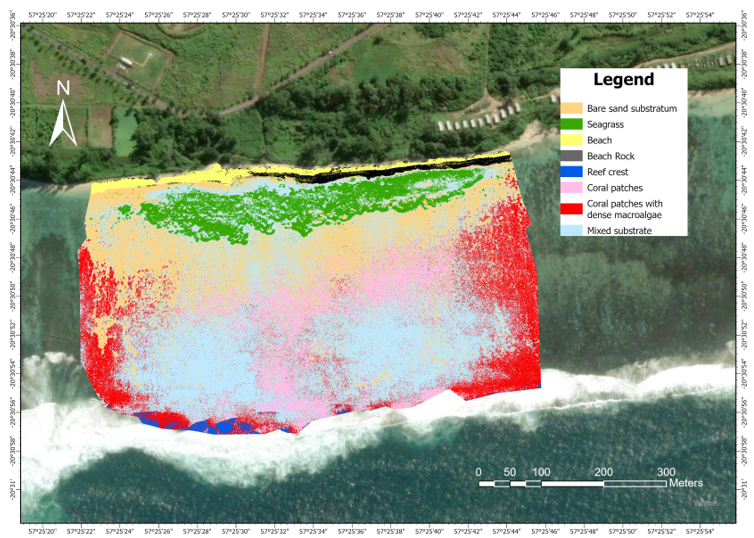
Coral Patches 17.4% of mapped area
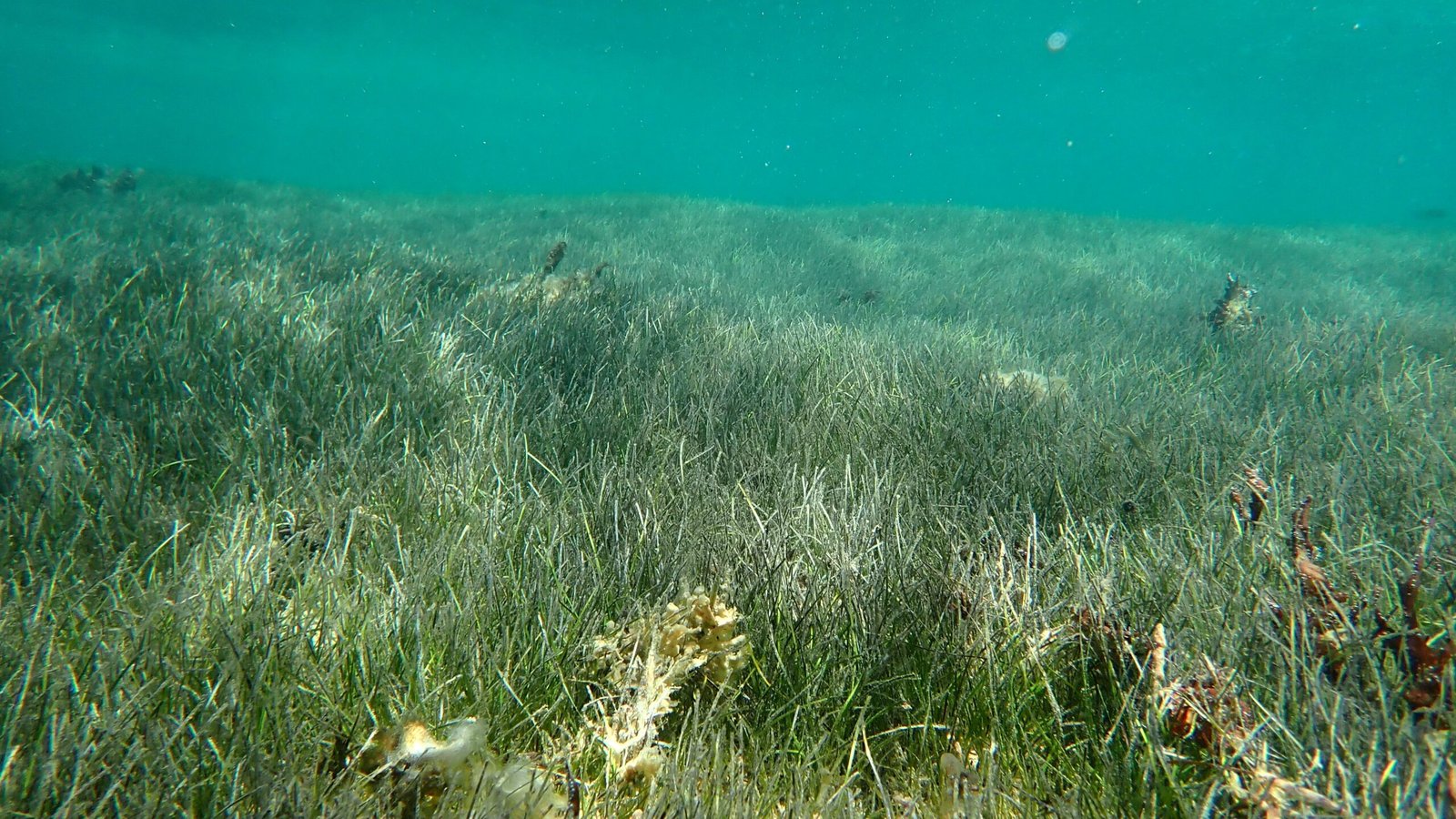
Seagrass Beds 9.7% of mapped area
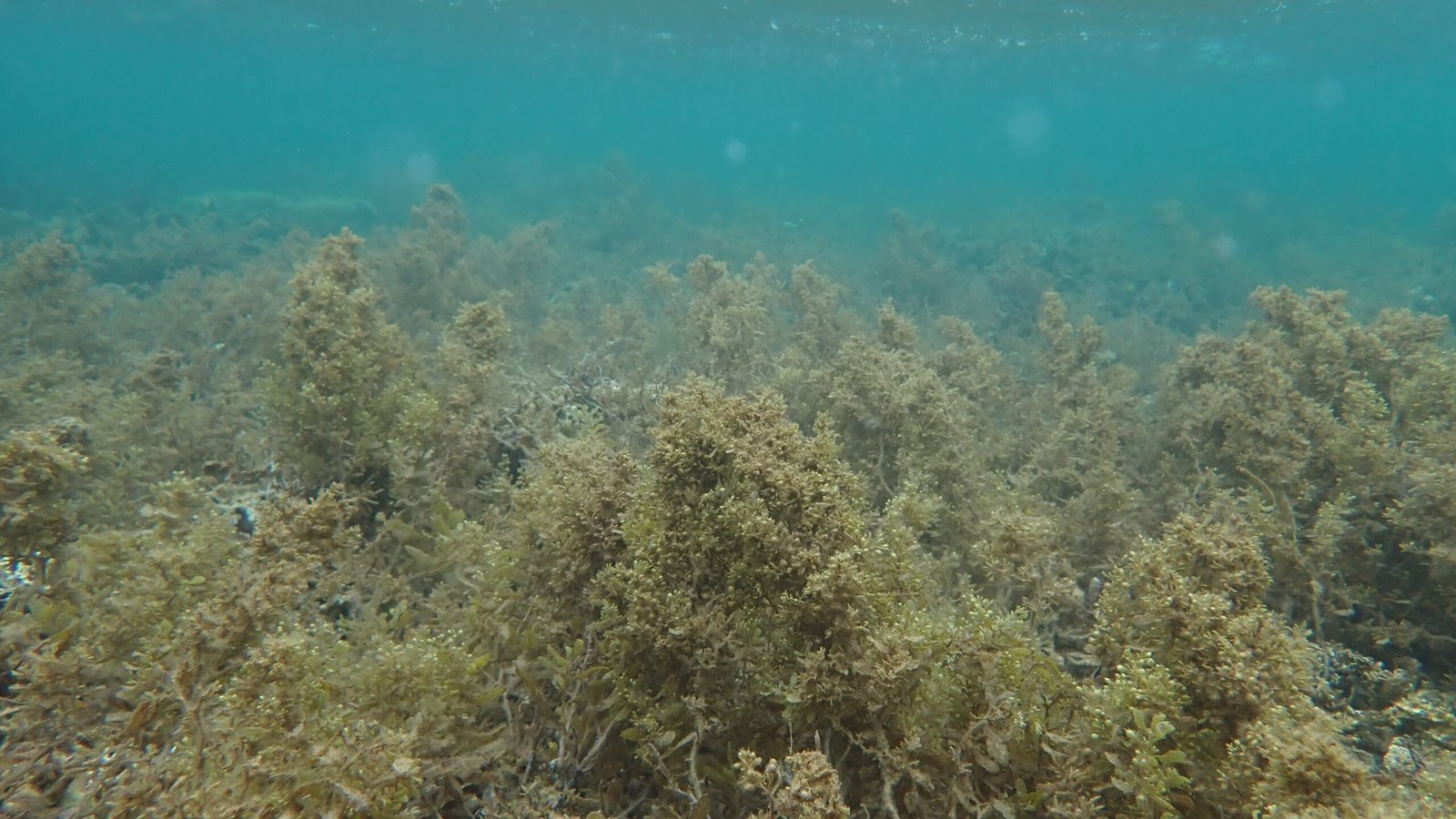
Coral & Macroalgae 12.6% of mapped area
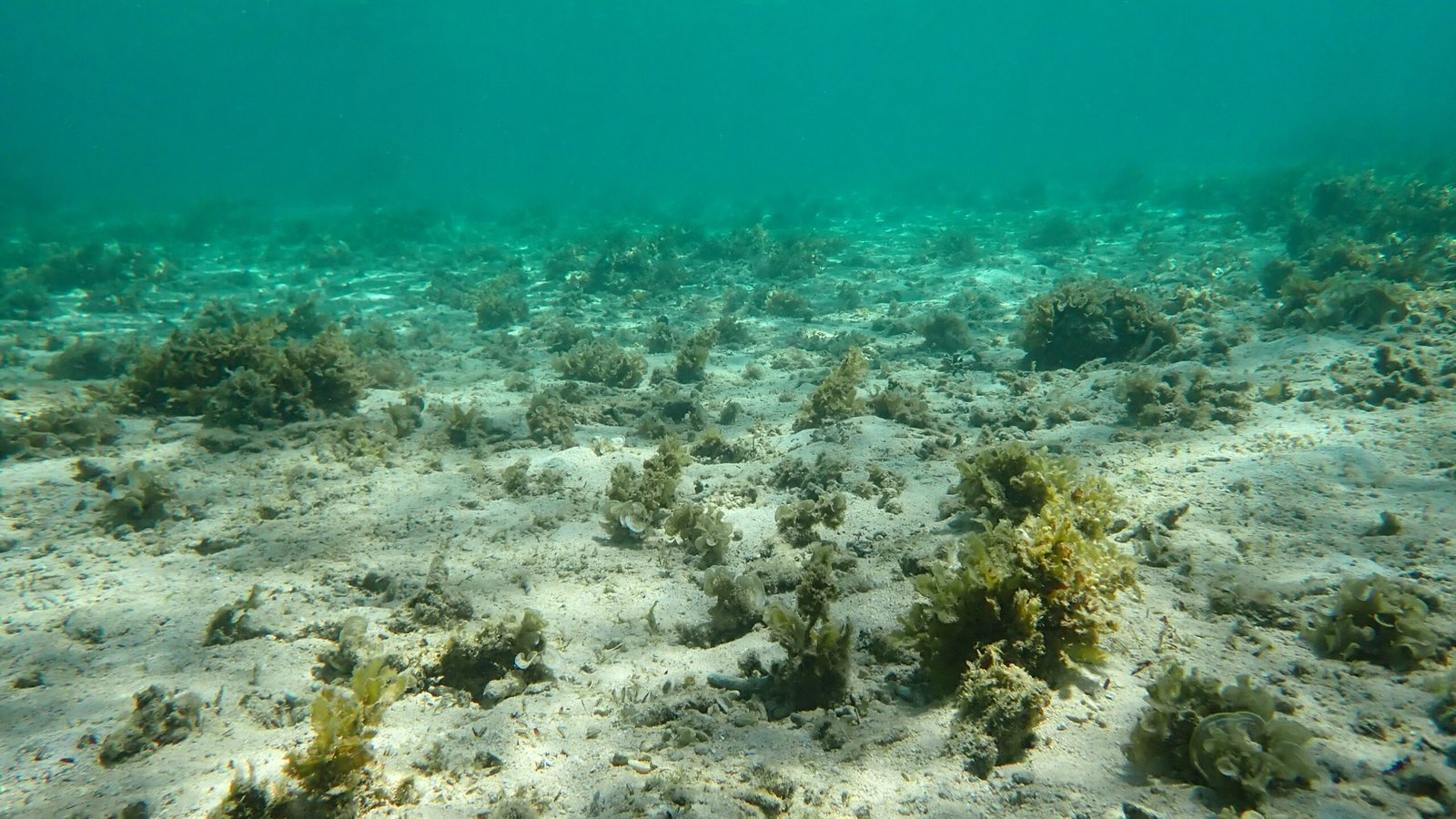
Mixed Substrate 34.7% of mapped area
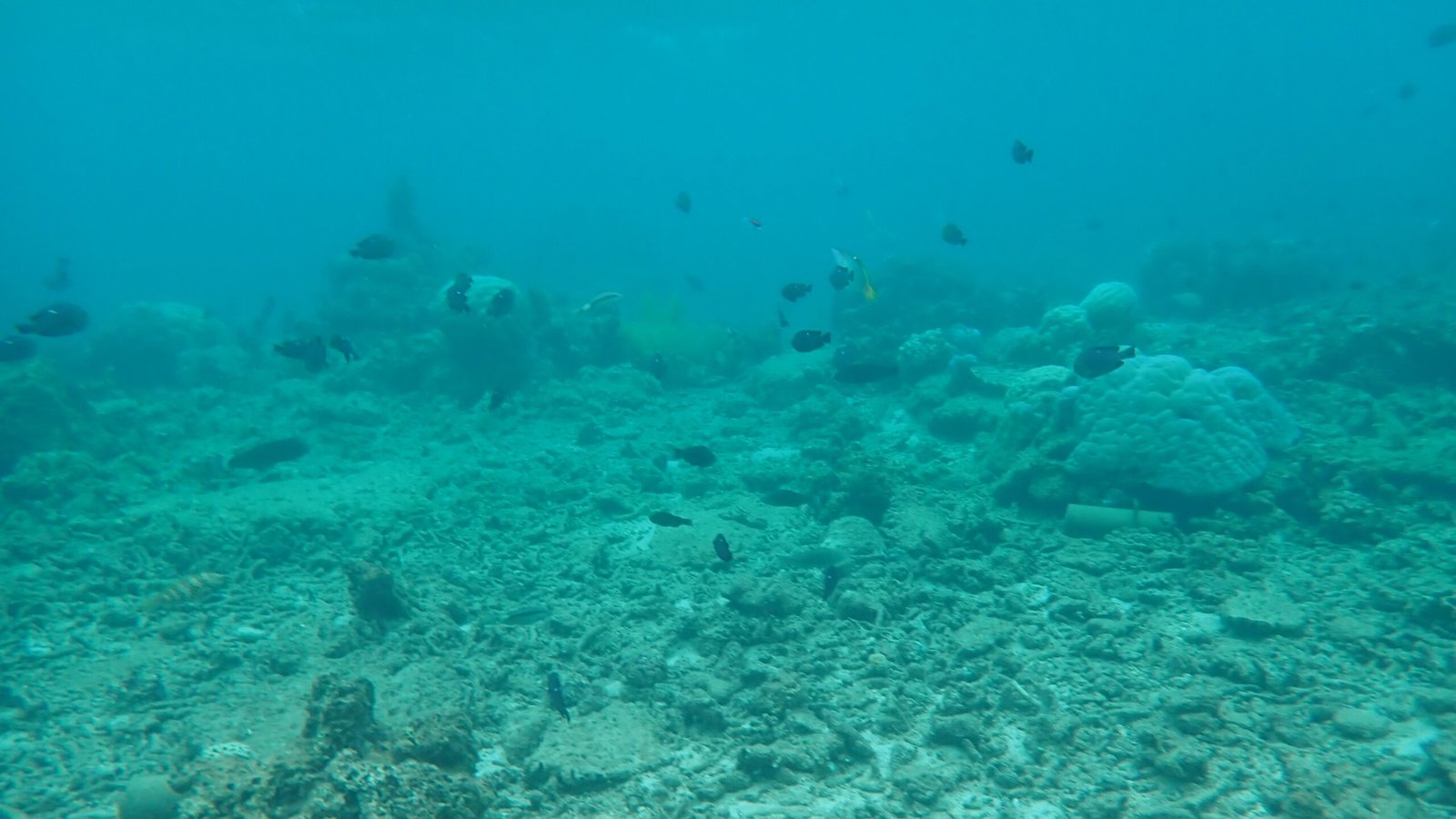
Reef Crest 0.9% of mapped area
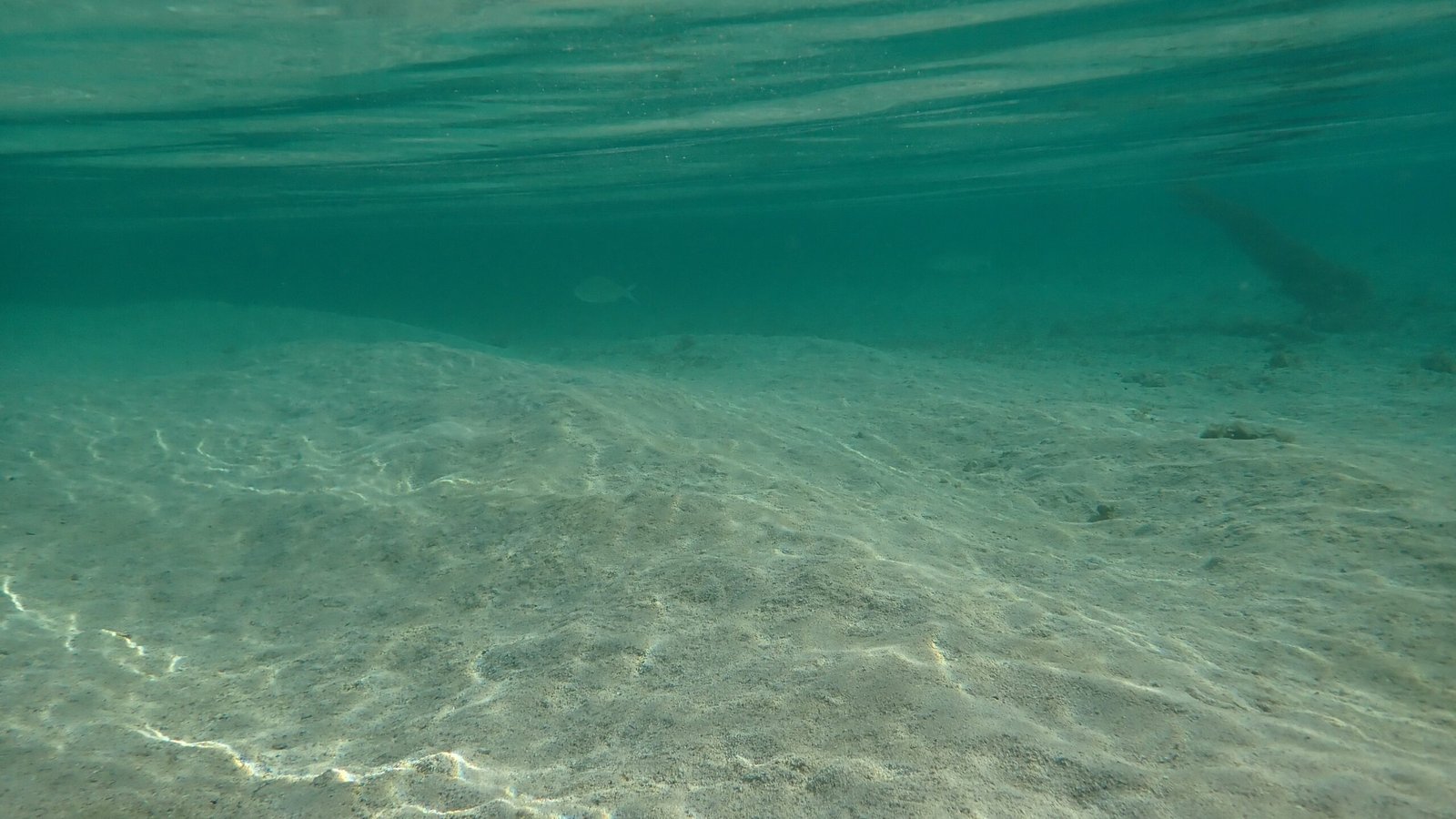
Bare Sand Substratum 20.7% of mapped area
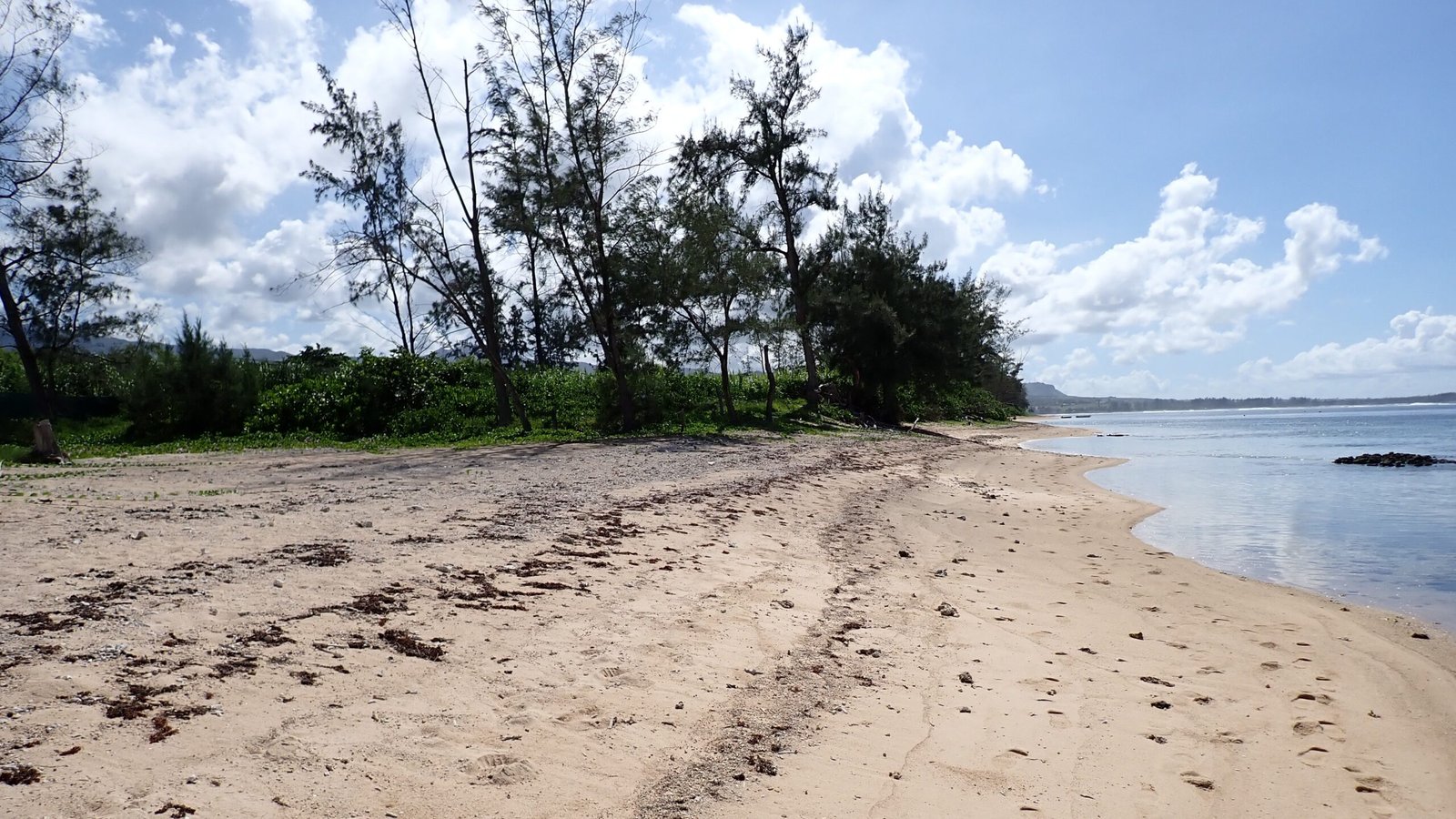
Beach 2.5% of mapped area
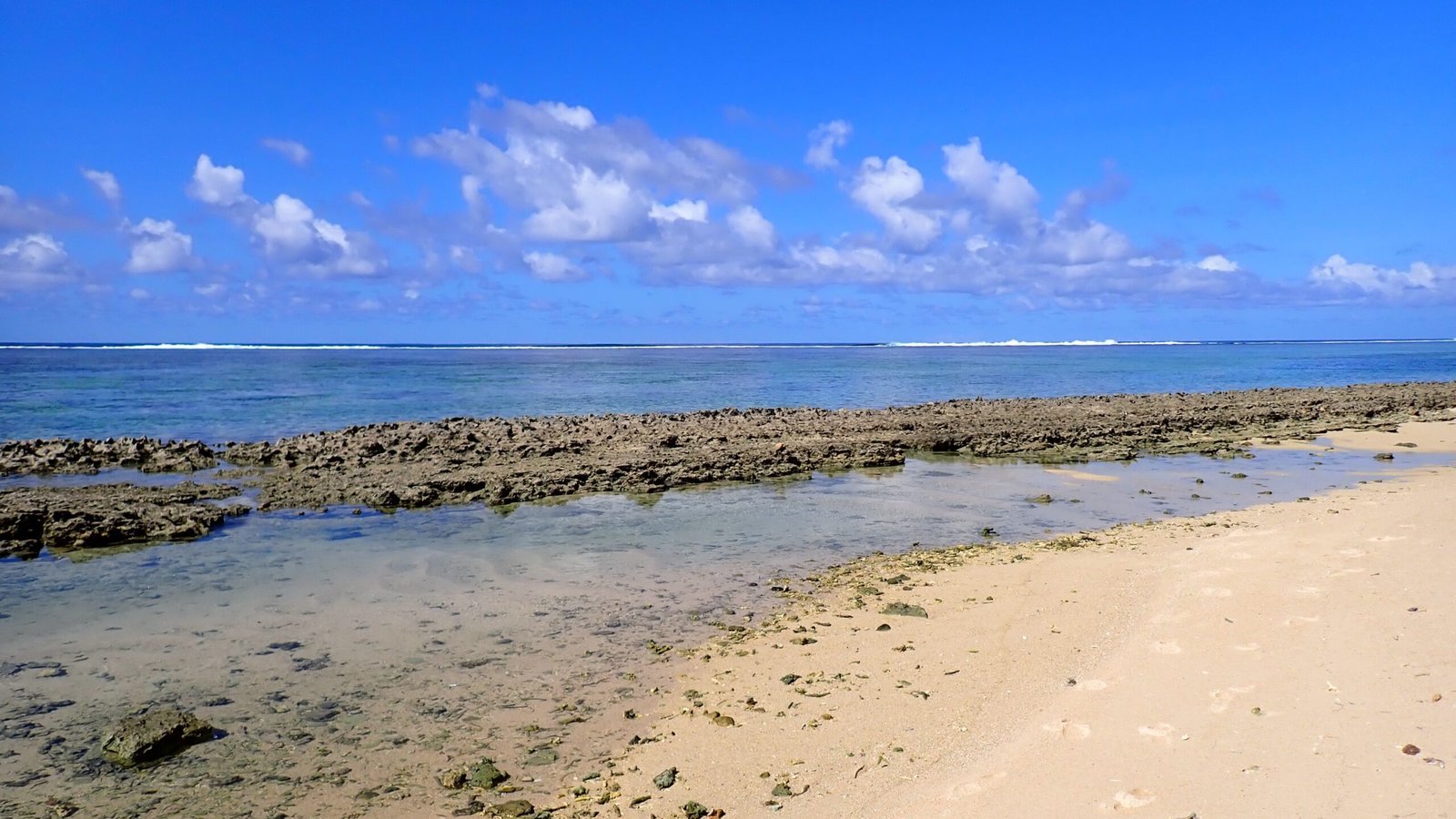
Beach Rock 1.5% of mapped area
Our Goal: Biodiversity and Habitat Value
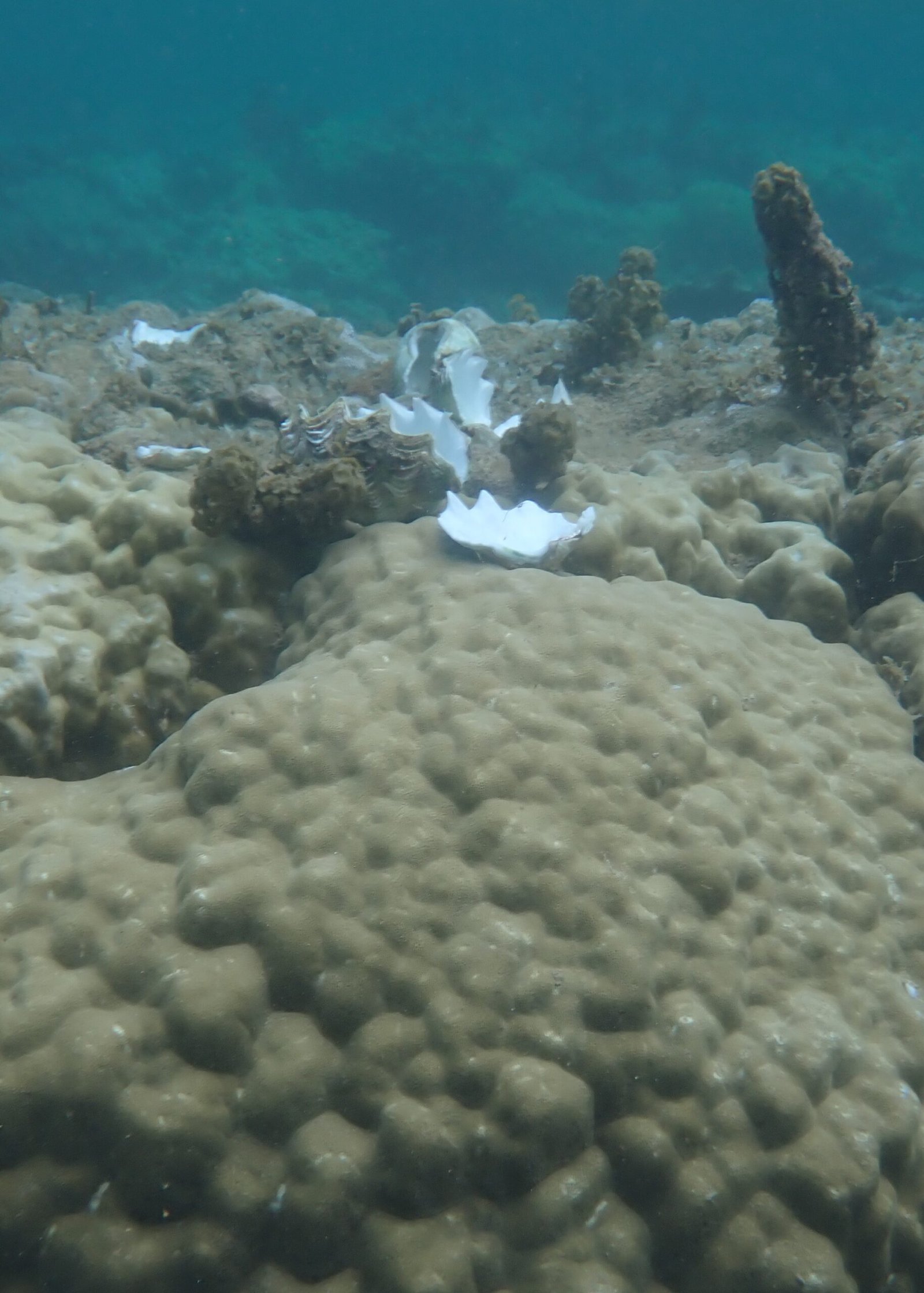
The integrated biodiversity surveys at Beau Champ recorded a remarkable assemblage of reef-associated life. The taxa present, the ecological functions they support, and the species of conservation concern documented here all underline why this site merits dedicated protection. The site supports ecologically notable taxa including the giant clam Tridacna sp. (IUCN Vulnerable), the magnificent anemone Heteractis magnifica with its symbiotic Mauritian clownfish Amphiprion chrysogaster — a Mascarene-endemic species — and reef-building corals of conservation concern such as Acropora, Pavona, and Heliopora coerulea.”
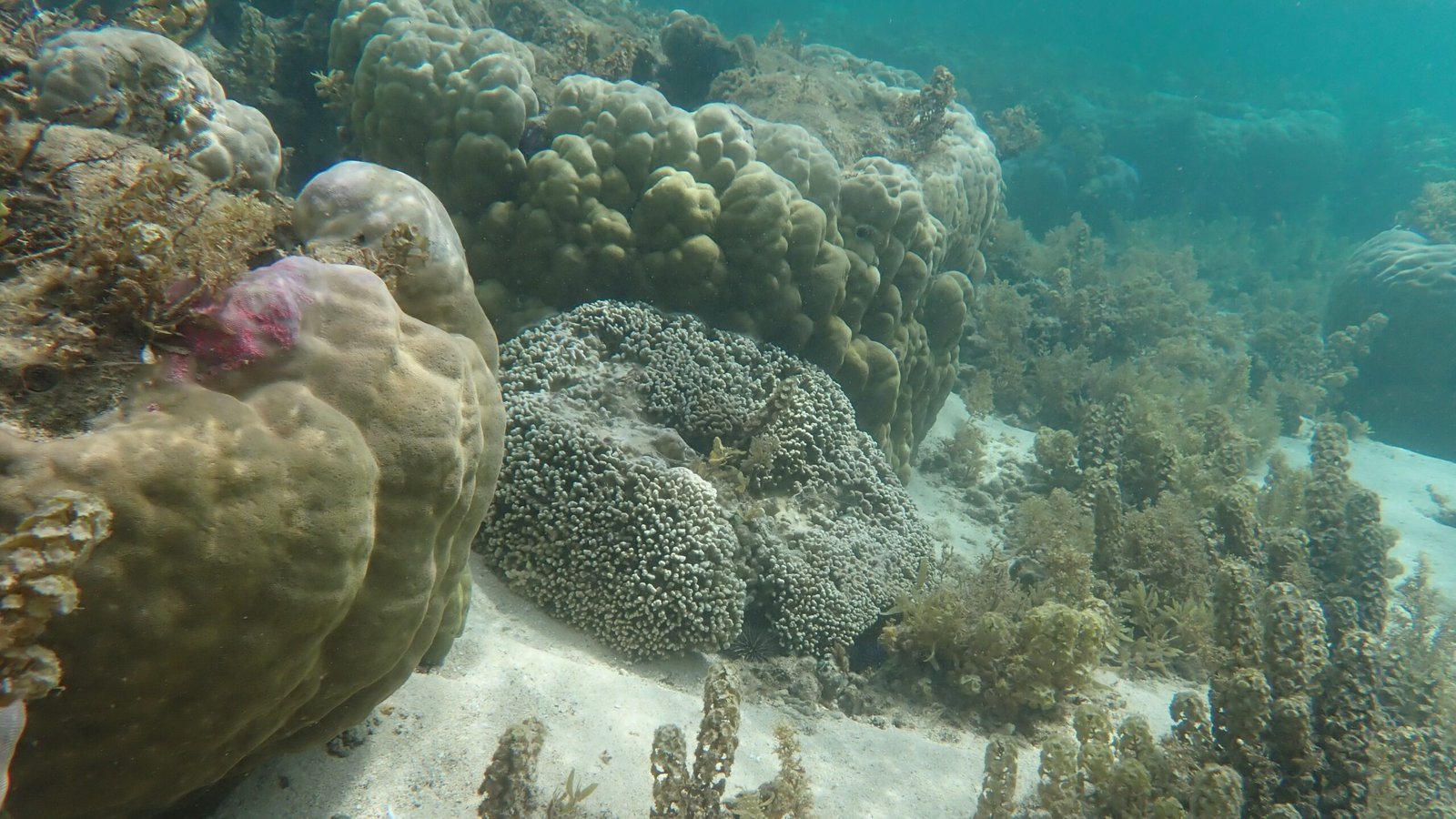
Reef-building corals: The coral assemblage is dominated by massive and sub-massive colonies of Porites lobata and P. lutea, the principal structural component of the reef patches. Acropora species — including A. muricata, A. tenuis, and A. selago — contribute three-dimensional complexity that shelters juvenile fish and mobile invertebrates.
Seagrass & nursery function: Shallow nearshore meadows of Halodule uninervis, with patches of Halophila ovalis and H. stipulacea, stabilise sediment and provide essential nursery habitat for juveniles of commercially important fish including rabbitfish, emperors, goatfish, and parrotfish
58
Reef Fish Species
7
Macroalgae Taxa
40
Hard Coral Taxa
2
IUCN Vulnerable Species
6
Soft Coral Taxa
12
Macro Invertebrate Taxa
3
Seagrass species
1
Mascarene Endemic Species
A community-led VMCA of 3.3 ha co-designed, mapped, and implemented in Beau Champ
The project combines ecological science, community participation, training, and visible on-site protection measures across four quarterly cycles in 2026.
- VMCA Management Setup - Establish the core team, roles, and internal standard operating procedures for an operational VMCA governance structure, finalise VMCA boundary, and install informative buoys in phases, guided by the benthic habitat map and current observations.
- Ecological Assessment - Complete a baseline integrated marine survey and underatke monitoring surveys per year tracking coral condition, seagrass status, macroalgal balance, and sedimentation.
- Community Sensitisation and Training - Undertake outreach activities focused on VMCA rules and reef threats and carry out capacity-building sessions on sustainable fishing, VMCA rules, safe reef-use guidelines, and nature-based opportunities.
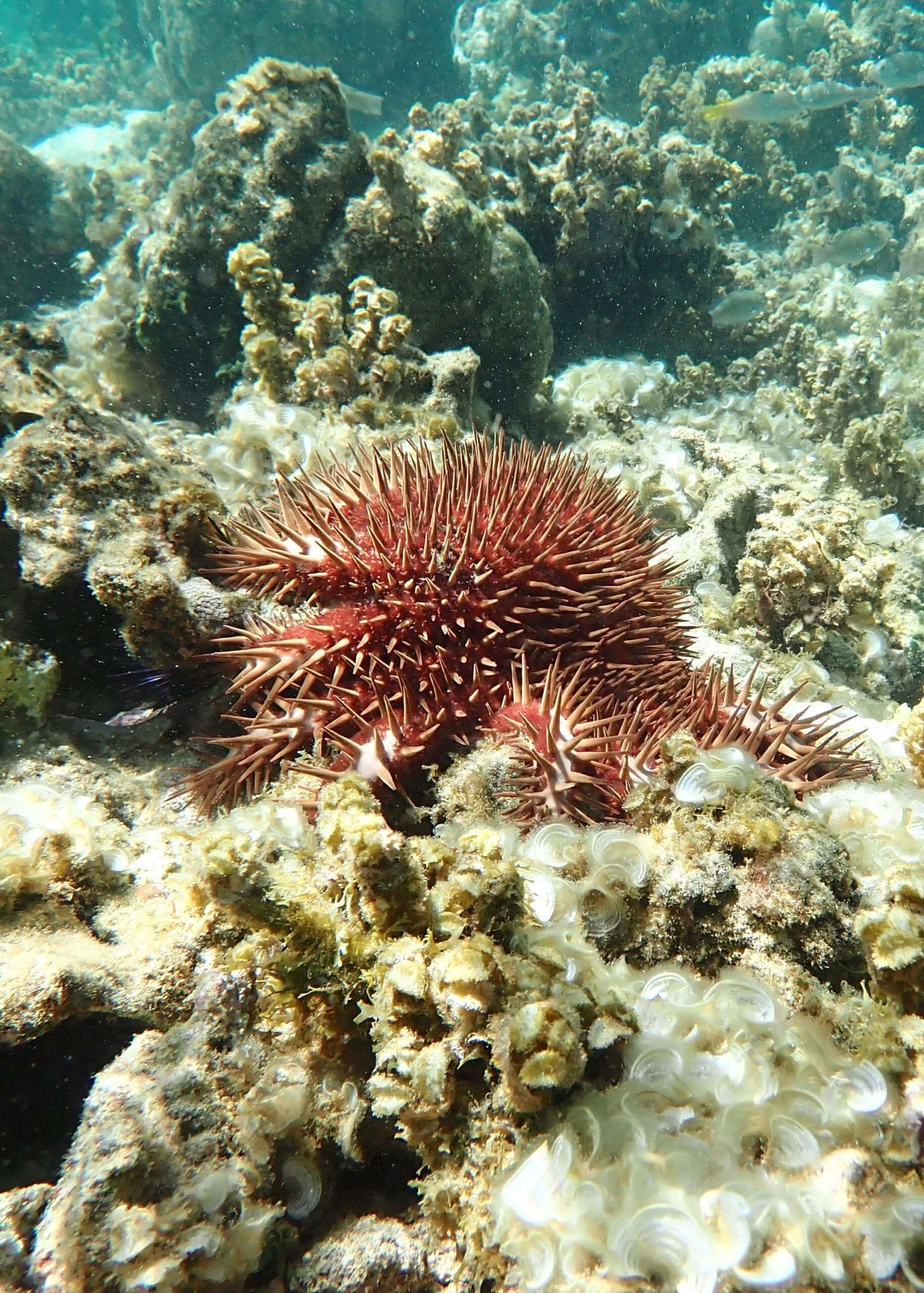
- COTS Surveillance - Integrate CCOTS detection and response into all field visits, contributing to the National COTS Project.
Site Sensitivities - Real pressures that the VMCA is designed to address
While the site was found in generally stable ecological condition during baseline surveys, several signals justify continued vigilance and proactive management. The VMCA framework is designed to detect and respond to these pressures early. These include:
- Crown-of-Thorns Starfish - Confirmed sightings of Acanthaster sp. within the survey area. COTS outbreaks can cause rapid, large-scale coral mortality if densities increase — routine surveillance is a project priority.
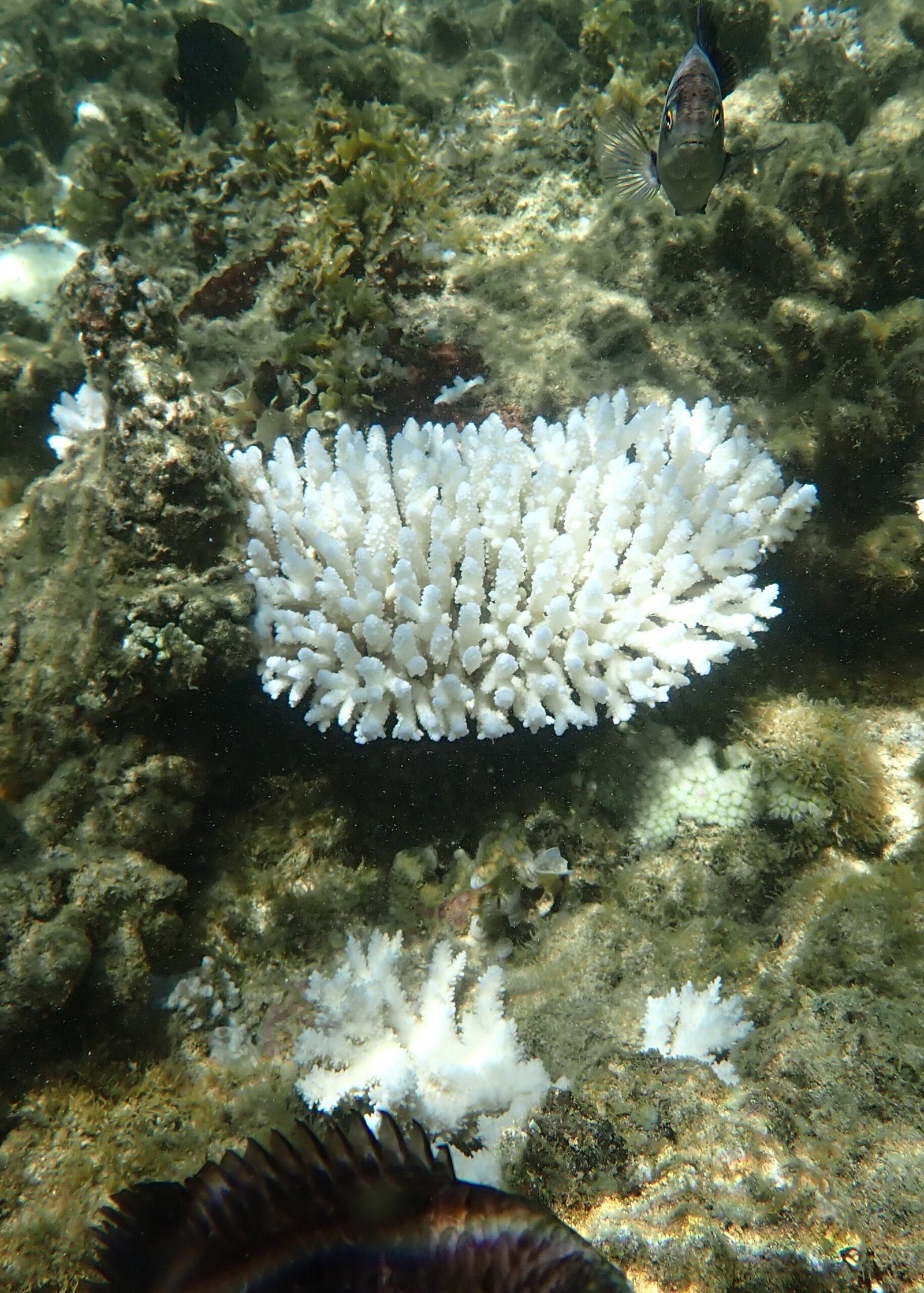
- Coral Bleaching & Climate Stress - Rising ocean temperatures threaten coral assemblages worldwide. Beau Champ’s shallow lagoon is particularly exposed and requires routine monitoring of coral condition.
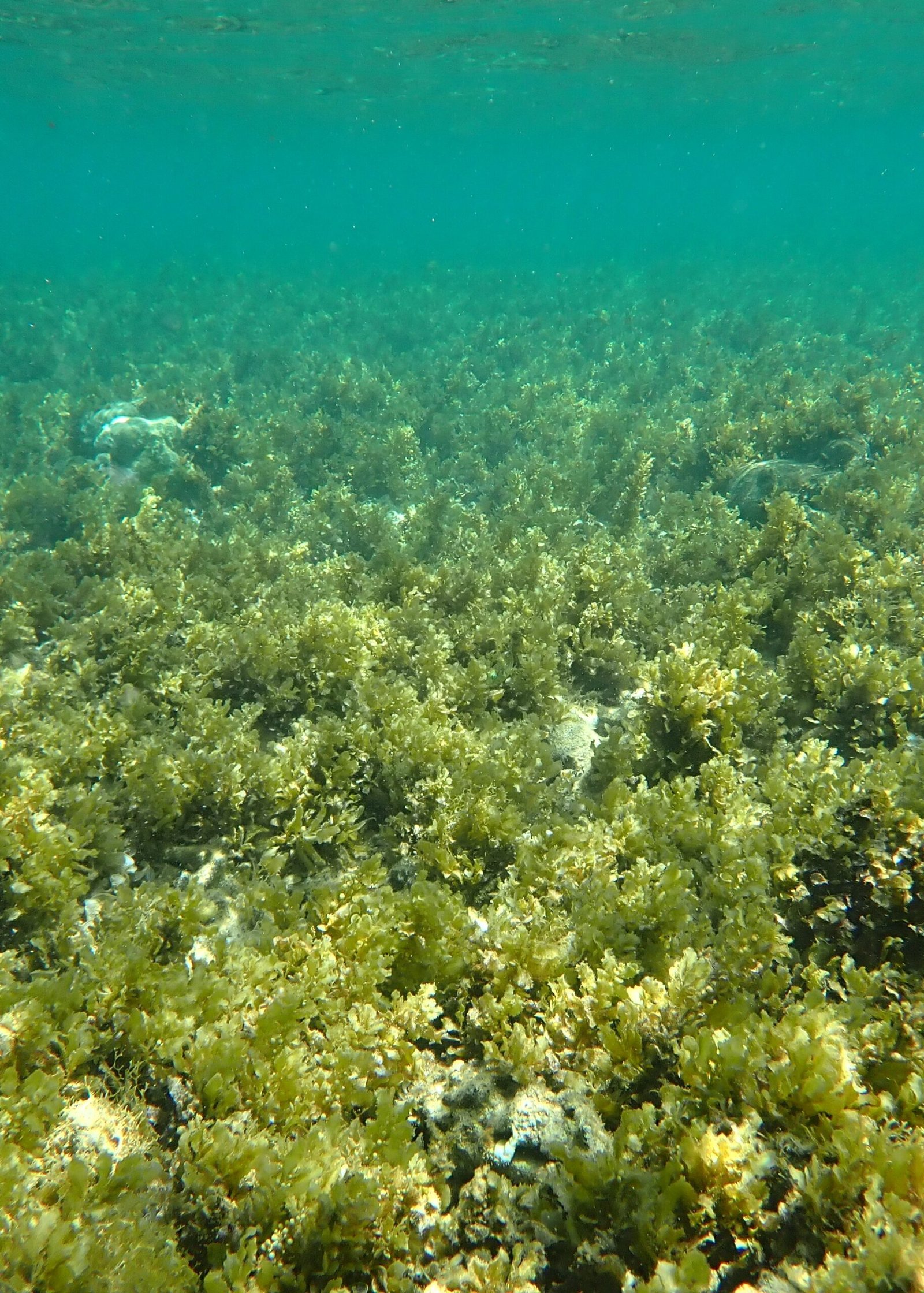
- Macroalgal Proliferation - Areas of moderate to locally dense Sargassum were observed in association with coral patches — a signal of potential coral-algal competition that the project will track over time.
- Unregulated Lagoon Use - Destructive or unregulated fishing practices and anchor damage threaten reef complexity. The VMCA will demarcate sensitive zones and promote voluntary compliance.
A Model for Replication:
The VMCA Beau Champ Project is more than a one-time intervention. It represents a practical and replicable model of how marine conservation can be built with communities, not just around them. By combining ecological science, local participation, awareness, monitoring, and visible on-site protection measures, the project lays the groundwork for stronger stewardship of the Beau Champ lagoon and beyond. As threats to coastal ecosystems continue to grow — from climate-driven bleaching to COTS predation — community-led initiatives like this will be essential for safeguarding Mauritius’ marine bidiversity and strengthening resilience for future generations.
Call-to-action
Protecting coral and seagrass ecosystems means protecting biodiversity, livelihoods, and climate resilience. Coral Garden Conservation is committed to expanding community-based marine conservation in Mauritius through science, education, and local stewardship.
Want to learn more, partner with us, or support our work? Contact us or explore our latest conservation projects.